Alchemist: Is Transmutation Worth It? Costs and Locations
What the Alchemist still does after Lord of Hatred, every recipe with gold costs and tips for Forgotten Souls.
Alchemist at a Glance
The Alchemist in Diablo 4 converts crafting materials you have too many of into the ones you need. Since Lord of Hatred, that is the only job the Alchemist has on Seasonal characters:  Rawhide and
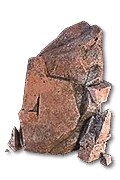 Iron Chunk become
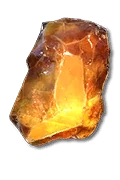 Veiled Crystal, Veiled Crystals become
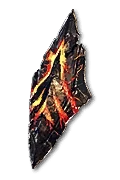 Baleful Fragment, and Baleful Fragments become
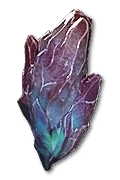 Forgotten Soul. Healing Potion upgrades, Elixirs and Incense are gone from the Alchemist.
| Question | Short answer |
|---|---|
| What it does | Transmutes crafting materials |
| Unlock | None, the first Alchemist is in Kyovashad |
| Map icon | Mortar and pestle |
| Recipes | 4, each turns 100 materials into 10 |
| Most expensive recipe | 250,000 gold |
| Level requirement | 1 for Veiled Crystals, 60 for Fragments and Souls |
Where Is the Alchemist?
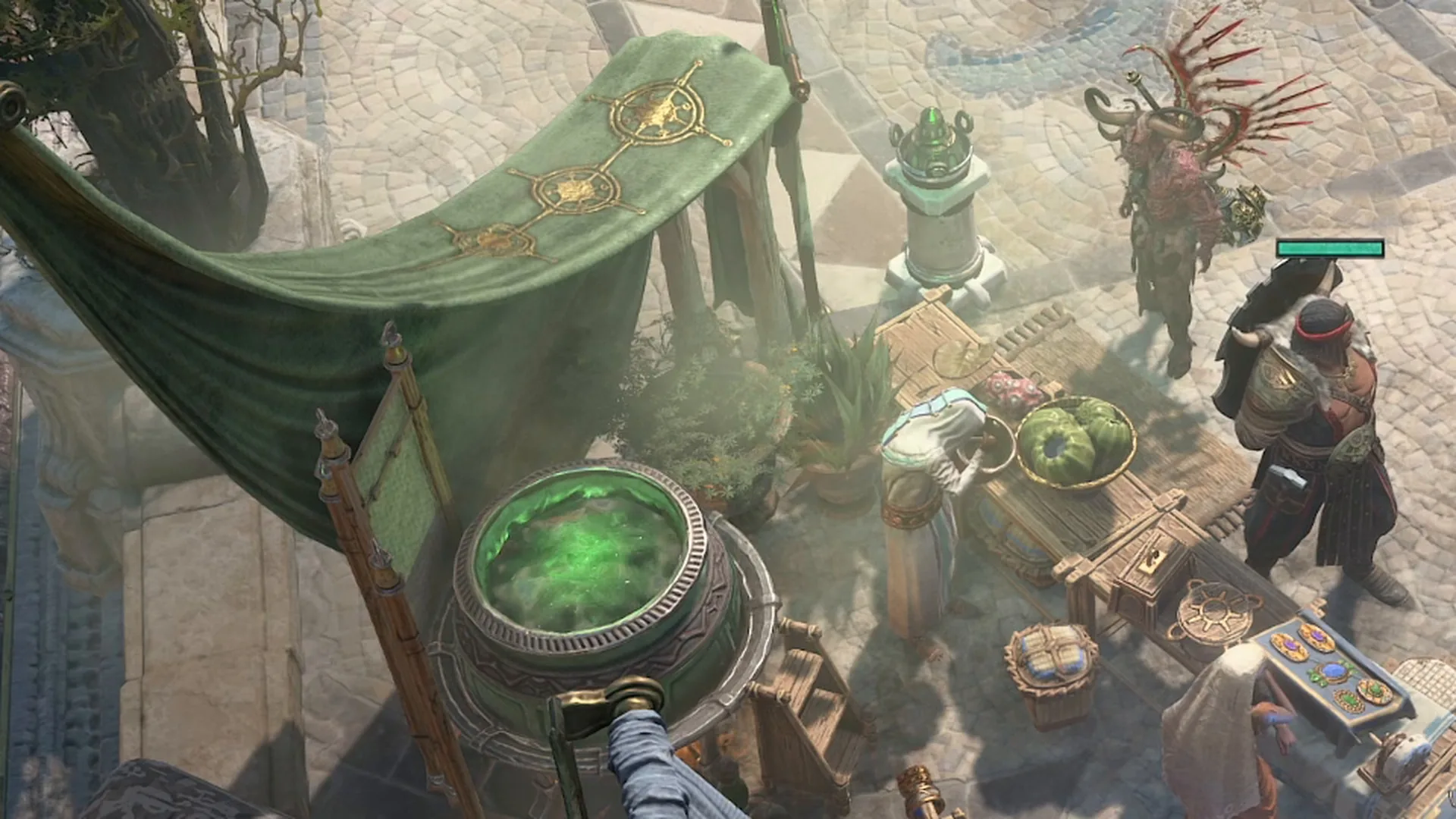
You meet your first Alchemist in Kyovashad as soon as you reach the city after the prologue. There is no quest to unlock the vendor. On the map, look for the mortar and pestle icon.
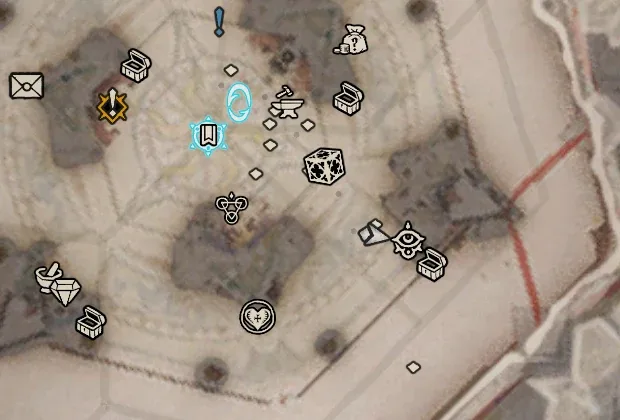
Every region has at least one Alchemist. They all offer the same recipes at the same prices, so just use the closest one.
| Region | Town | Alchemist |
|---|---|---|
| Fractured Peaks | Kyovashad | Veroka |
| Dry Steppes | Ked Bardu | Jaral |
| Scosglen | Cerrigar, Túr Dúlra | Corman, Melvin |
| Kehjistan | Gea Kul | Nayat |
| Hawezar | Zarbinzet, Wejinhani, The Tree of Whispers | Matej, Silvi, Aethil |
| Nahantu | Upper Kurast, Kurast Docks | Kowara, Tohil |
| Skovos | Temis | Visrion |
How Alchemist Transmutation Works
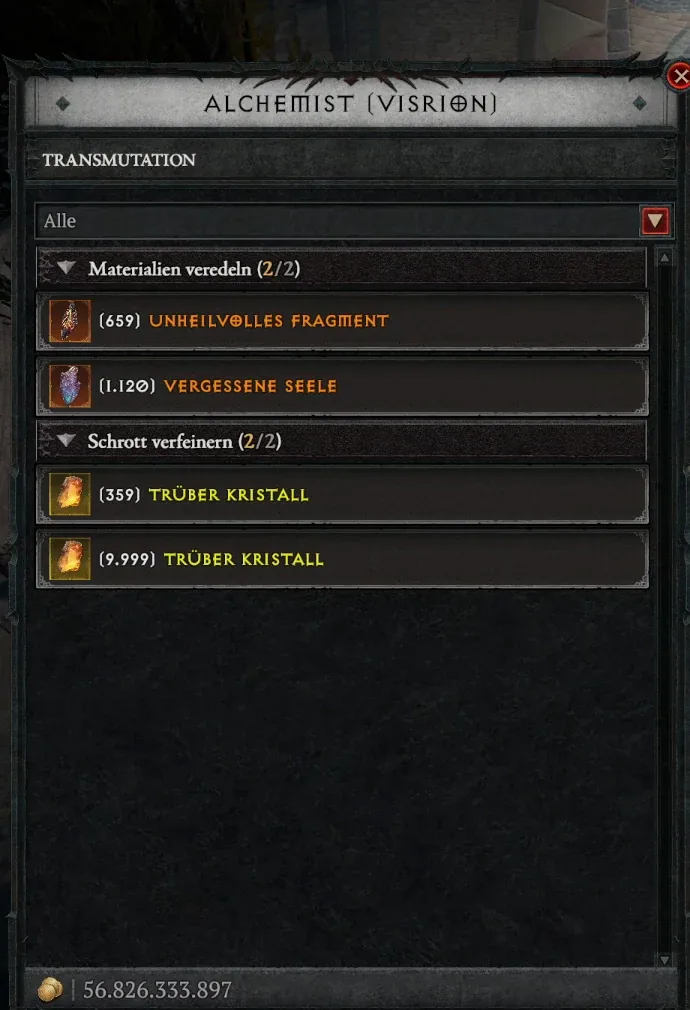
The Alchemist window only has one tab left: Transmutation, split into two categories. Enrich Scrap turns common materials into Veiled Crystal. Refine Materials turns those into Legendary materials.
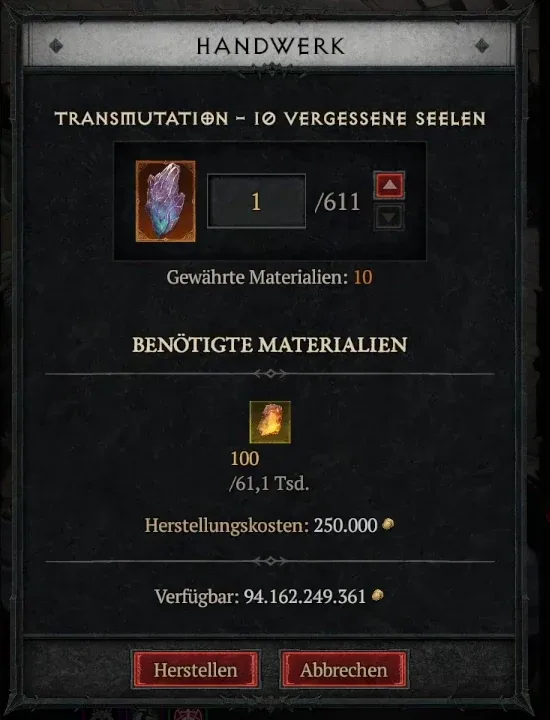
Every recipe follows the same pattern: 100 of one material become 10 of the next tier, plus a flat gold fee. The chain only goes one way, so you cannot convert anything back down.
- Rawhide or Iron Chunk becomes Veiled Crystal.
- Veiled Crystal becomes Baleful Fragment.
- Baleful Fragment becomes Forgotten Soul.
Alchemist Recipes and Costs
The Alchemist only has four recipes. The two Legendary recipes unlock at level 60.
| Category | Input | Result | Gold | Level |
|---|---|---|---|---|
| Enrich Scrap | 100 Rawhide | 10 Veiled Crystals | 25,000 | 1 |
| Enrich Scrap | 100 Iron Chunks | 10 Veiled Crystals | 25,000 | 1 |
| Refine Materials | 100 Veiled Crystals | 10 Baleful Fragments | 250,000 | 60 |
| Refine Materials | 100 Baleful Fragments | 10 Forgotten Souls | 250,000 | 60 |
Run the numbers all the way to a Forgotten Soul and you see how expensive the Alchemist route is. Each Forgotten Soul costs 10 Baleful Fragments and 25,000 gold, and you still have to farm or transmute those Fragments first.
Example: 10 Forgotten Souls from Rawhide
| Step | Input | Gold |
|---|---|---|
| 100 × Enrich Scrap | 10,000 Rawhide | 2,500,000 |
| 10 × refine Veiled Crystals | 1,000 Veiled Crystals | 2,500,000 |
| 1 × refine Baleful Fragments | 100 Baleful Fragments | 250,000 |
| Total | 10,000 Rawhide | 5,250,000 |
What Do You Need These Materials For?
The Alchemist only pays off if you know where the result goes. Veiled Crystal, Baleful Fragment and Forgotten Soul are spent at the Blacksmith , the Occultist and the Jeweler .
| Material | What you need it for |
|---|---|
| Veiled Crystal | Improving gear at the Blacksmith, Occultist and Jeweler |
| Baleful Fragment | Imprinting Aspects onto standard gear, Masterworking standard gear |
| Forgotten Soul | Improving Ancestral items at the Blacksmith and Occultist |
Ancestral items are the strongest gear tier you find in Torment difficulties. The guides on Tempering Tempering: Temper Manuals, Charges and Costs and Masterworking Masterworking: Quality 25, Masterwork Affix and Costs explain the upgrade steps in detail.
Where else these materials come from
| Material | Main sources |
|---|---|
| Rawhide | Salvaging armor at the Blacksmith, Elite monsters, Legion Events |
| Iron Chunk | Salvaging weapons and jewelry at the Blacksmith, Elite monsters, Legion Events |
| Veiled Crystal | Salvaging Rare, Legendary and Unique gear, gathering herbs, Infernal Hordes |
| Baleful Fragment | Salvaging Legendary, Unique and Mythic items, Salvage Spoils in War Plans |
| Forgotten Soul | Salvaging Ancestral gear, Helltide, Infernal Hordes, Undercity of Kurast, War Plans |
What Happened to Healing Potions, Elixirs and Incense?
Older guides send you to the Alchemist for potion upgrades and Elixirs. That no longer applies.
- Healing Potions: Since patch 2.5.0, every potion instantly heals 35% of your maximum Life. There are no upgrades anymore, and used charges refill on their own over time.
- Elixirs and Incense: Lord of Hatred removed both for Seasonal characters. The Eternal Realm keeps only one Elixir and one Incense.
- Herbs: Most herbs are gone. Gathering any herb node except Angelbreath now gives you Veiled Crystal.
- Boss materials: The Alchemist no longer transmutes Lair Boss summoning materials on Seasonal characters.
Alchemist in the Eternal Realm
On an Eternal Realm character, the Alchemist shows extra recipes for  Obducite and Lair Boss keys. If you are unsure how the Eternal Realm differs from the Season, this guide covers it:
Eternal Realm, Season & Hardcore in Diablo 4 Explained
Extra recipes in the Eternal Realm
| Input | Result |
|---|---|
| 1 Ingolith | 3 Obducite |
| 1 Neathiron | 9 Obducite |
| 1 Sandscorched Shackles | 1 Pincushioned Doll |
| 1 Mucus-Slick Egg | 1 Shard of Agony |
| 1 Gurgling Head, Trembling Hand or Blackened Femur | 1 Malignant Heart |
| 3 Pincushioned Dolls, Shards of Agony, Abhorrent Hearts or Stygian Stones | 1 Greater Lair Key |
| 2 Betrayer's Husks | 1 Superior Lair Key |
| 12 Distilled Fear, Exquisite Blood, Judicator's Masks, Malignant Hearts or Living Steel | 1 Lair Key |
When Is the Alchemist Worth Using?
- Scrap into Crystals: Rawhide and Iron Chunk pile up fast. When you run low on Veiled Crystals, Enrich Scrap is a cheap fix at 25,000 gold.
- Souls as a stopgap: If you are a few Forgotten Soul short of an important upgrade, transmute spare Fragments. For large amounts, farming is cheaper.
- Keep some Fragments: You need Baleful Fragment yourself for Aspects and Masterworking on standard gear. Keep a stock before you transmute.
- Plan for level 60: Until then, the Alchemist only gives you Veiled Crystals.
War Plans: Best Skill Setups for Every Activity
Common Alchemist Mistakes
- Looking for potion upgrades: They have been gone since patch 2.5.0. More healing now comes from your gear, not from the Alchemist.
- Looking for Elixirs: On Seasonal characters the tab is missing entirely. This is not a bug.
- Underestimating gold: Ten refines cost 2.5 million gold. Check first whether you need that gold for Tempering or Masterworking.
- Transmuting every Fragment: Without Baleful Fragments you cannot imprint Aspects onto standard gear.
Alchemist FAQ
Where is the Alchemist?
Can I still upgrade Healing Potions at the Alchemist?
Are Elixirs and Incense still in the game?
How do I get Forgotten Souls from the Alchemist?
How much does Alchemist transmutation cost?
Sources
- Diablo IV: Lord of Hatred FAQ Thread, Blizzard Forums, accessed November 2, 2026
- The 2.5.0 PTR: What You Need to Know, Blizzard News, accessed November 2, 2026
- Forgotten Soul, d4guides.gg Database, accessed November 2, 2026
- All Crafting Materials, d4guides.gg Database, accessed November 2, 2026
Changelog
- November 2, 2026, patch 3.2.4: Guide created.
Comments
Login to comment.